For centuries, herbal teas have been enjoyed across Asia, and ginseng tea has long been one of the most popular. It comes from the ginseng root, which resembles the outline of a man and which is the product of a perennial plant native to many parts of Asia including South Korea.
Ginseng itself was first discovered in the mountains of Manchuria, north east China around 5,000 years ago. Historians believe that it was probably first used as a staple food.
By the third century, ginseng was a highly valued commodity, so much so that the Chinese bartered their precious silk for it and when you think that it was considered more valuable than gold, the high estimation of this drink was set for centuries to come.
Nowadays however, most of the ginseng tea consumed by countries around the world comes from ginseng farms. The ginseng derived from wild stocks is more expensive than its cultivated counterparts in the belief that the former is more in harmony with nature.
This tea can be made from the leaves of the plant, which is similar to other teas like the green and oolong varieties. However, this is neither as popular nor as valuable as a tea made from the roots mainly because the ginsenosides are contained in the fleshy portions of the plant.
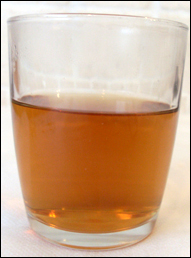
The process applied to the ginseng root determines its colour of either red or white ginseng tea. Red ginseng comes from the unpeeled roots being subjected to natural steaming, which turns them into a reddish-brown hue, after which it is dried. White ginseng is made from peeled ginseng roots, which are then immediately dried under the sun.
Both dried roots are then crushed into a fine powder than can be dissolved in water. I suggest using warm water instead of boiling water as the beneficial chemicals in ginseng evaporates with the latter. It is also possible to add other types of tea like the oolong, black and green varieties to add more flavour and more health benefits. Honey and other natural sweeteners like citrus fruits may also be added for a better taste.
Speaking of the taste, ginseng can be an acquired taste. Most people report their first taste of ginseng tea as being sharp, earthy and with a strong aftertaste. However, for people with an acidic condition, it can taste very bitter indeed.
Drink it during breakfast to provide a boost to your day.
A cup of Ginseng tea a day will make a real difference